

The Lifestyle Cure provides evidence-informed health and wellness information. We may include links to products we believe may be useful to our readers. TheLifestyleCure.com participates in the Amazon Associates Program and may earn a small commission from qualifying purchases at no additional cost to you.
If you’ve been hearing more about insulin resistance and wondering what your food choices have to do with metabolic health, you’re not alone.
Insulin is a hormone that helps your body move glucose from your bloodstream into your cells, where it can be used for energy. Insulin resistance occurs when the body’s cells become less responsive to insulin. Over time, this can be associated with changes in blood glucose regulation and an increased risk of developing health conditions such as prediabetes and type 2 diabetes.
The good news is that everyday lifestyle habits—including nutrition, movement, sleep, stress management, and overall eating patterns—can play an important role in supporting metabolic health.
One eating pattern that has received considerable attention is the Mediterranean-style eating pattern.
Rather than thinking of it as a strict “diet,” it can be helpful to think of the Mediterranean pattern as a flexible approach to eating that emphasizes vegetables, fruits, whole grains, legumes, nuts, seeds, fish, and unsaturated fats such as olive oil.
Table of Contents
What Is Insulin Resistance?
Insulin resistance refers to a reduced response to insulin in the body’s cells.
Insulin plays an important role in helping regulate blood glucose. When the body becomes less responsive to insulin, the pancreas may produce more insulin to compensate.
Insulin resistance can occur for a variety of reasons and is influenced by multiple factors, including genetics, physical activity, sleep, body composition, nutrition, and other aspects of overall health.
It is important to remember that insulin resistance is not simply the result of eating too much sugar or a lack of willpower. Metabolic health is influenced by many interconnected factors.
If you have concerns about your blood glucose, insulin levels, or risk of prediabetes or diabetes, speak with a qualified healthcare professional who can assess your individual situation.
Why Nutrition Matters for Metabolic Health
There isn’t one specific food or diet that determines your metabolic health.
Instead, the overall pattern of eating matters.
A balanced eating pattern can help you:
- Increase your intake of fiber and important nutrients
- Include more minimally processed foods
- Choose carbohydrates that provide fiber and other nutrients
- Include sources of protein throughout the day
- Incorporate unsaturated fats
- Reduce your intake of highly processed foods and foods high in added sugars
- Support overall heart and metabolic health
Diabetes Canada recommends an eating pattern that includes plenty of vegetables, whole grains, legumes, lean proteins, and healthy fats while limiting highly processed foods, added sugars, saturated fat, and excess sodium.
What Is the Mediterranean-Style Eating Pattern?
The Mediterranean eating pattern is based on traditional food and lifestyle patterns found in countries bordering the Mediterranean Sea.
There isn’t one single Mediterranean diet menu that everyone follows. Instead, there are several common characteristics.
Foods commonly emphasized include:
Vegetables and fruits
Aim to include a variety of colourful vegetables and fruits throughout the day. Fresh, frozen, and canned options can all contribute to a nutritious eating pattern.
Whole grains
Examples include:
- Oats
- Barley
- Quinoa
- Brown rice
- Bulgur
- Whole-grain bread
- Whole-grain pasta
Whole grains provide fibre and other nutrients and can be part of a balanced approach to carbohydrate intake.
Legumes
Beans, lentils, chickpeas, and other legumes provide fiber, protein, vitamins, and minerals.
Nuts and seeds
Nuts and seeds provide unsaturated fats, protein, fiber, and other nutrients. Because they are energy-dense, portions can still matter depending on your individual needs.
Fish and seafood
Fish, particularly oily fish such as salmon, can provide protein and unsaturated fats.
Unsaturated fats
Olive oil, avocado, nuts, seeds, and certain vegetable oils can be incorporated as sources of unsaturated fat.
Dairy and other protein foods
Foods such as yogurt, eggs, poultry, and dairy products can also fit within a Mediterranean-style eating pattern.
Water
Water is a simple everyday beverage choice and can help reduce reliance on sugar-sweetened beverages.
What About Carbohydrates?
One common misconception about insulin resistance is that carbohydrates need to be completely eliminated.
They don’t.
Carbohydrate-containing foods can absolutely be part of a balanced eating pattern. What matters is the type, amount, and overall combination of foods.
Diabetes Canada notes that high-fibre carbohydrate choices such as legumes, whole grains, fruits, and vegetables can be included as part of healthy meal planning.
One simple approach is to combine carbohydrate-containing foods with protein, fibre, and healthy fats.
For example:
Instead of:
A bowl of refined cereal on its own
Try:
Whole-grain oats topped with berries, nuts, and plain yogurt.
Or:
Instead of:
White toast on its own
Try:
Whole-grain toast with eggs and vegetables.
The goal isn’t to fear carbohydrates. It’s to build meals that provide a variety of nutrients and support satisfaction.

Can a Mediterranean-Style Pattern Support Metabolic Health?
Research has associated greater adherence to a Mediterranean-style eating pattern with a lower risk of developing type 2 diabetes. An updated systematic review and meta-analysis published in 2025 examined evidence from prospective studies and randomized controlled trials investigating Mediterranean diet adherence and type 2 diabetes risk.
Importantly, this does not mean that the Mediterranean diet prevents or treats diabetes in every individual.
Nutrition is one component of a much larger picture.
Diabetes Canada also identifies Mediterranean-style eating principles as one approach that can support diabetes prevention. These principles include increasing vegetables, fruit, whole grains, healthy fats, and plant-based proteins while choosing highly processed foods, red meat, added sugars, saturated fat, and sodium less often.
Can You Support Healthy Weight While Eating This Way?
A Mediterranean-style eating pattern can be compatible with a variety of health and nutrition goals.
However, it is important not to assume that simply eating Mediterranean foods will automatically result in weight change.
Foods such as olive oil, nuts, seeds, avocado, and whole grains can be highly nutritious while still contributing significant energy. Portion sizes and overall dietary intake remain relevant.
A sustainable approach focuses on the quality and balance of your overall eating pattern, rather than labeling individual foods as “good” or “bad.”
If weight management is one of your goals, consider discussing an appropriate approach with a qualified healthcare professional who can take your individual circumstances into account.
How Can You Start Eating More Mediterranean-Style?
You don’t have to completely change your diet overnight.
Start with one or two small changes.
1. Add more vegetables
Try adding vegetables to lunch and dinner, or include them in breakfast when appropriate.
2. Choose whole grains more often
Experiment with oats, quinoa, barley, bulgur, brown rice, or whole-grain bread.
3. Include legumes
Try adding chickpeas to salads, lentils to soups, or beans to wraps and grain bowls.
4. Include a source of protein
Fish, poultry, eggs, yogurt, tofu, beans, lentils, and other protein-rich foods can help create satisfying meals.
5. Choose unsaturated fats
Use foods such as olive oil, avocado, nuts, and seeds as part of balanced meals.
6. Make water your everyday beverage
Replacing sugar-sweetened beverages with water can be a simple way to reduce added sugar intake.
7. Eat more minimally processed foods
Instead of trying to eliminate every processed food, focus on making minimally processed foods the foundation of your meals more often.
8. Make meals enjoyable
Food is more than nutrients.
The Mediterranean lifestyle is also traditionally associated with enjoying meals, sharing food with others, and incorporating movement into everyday life.
Creating an eating pattern that you actually enjoy may make healthy habits easier to maintain over time.
Nutrition Is Only One Piece of the Puzzle
Supporting metabolic health involves more than food.
Regular physical activity is another important component. Diabetes Canada notes that physical activity can improve insulin sensitivity and help with blood glucose management.
You don’t necessarily need to start with an intense exercise program.
Walking, cycling, swimming, dancing, resistance exercises, and other activities can all contribute to a more active lifestyle.
Sleep, stress management, and maintaining supportive relationships can also contribute to overall wellbeing.
The goal isn’t perfection.
It’s consistency.
What About Potatoes, Eggs, and Other Foods?
You may have heard conflicting information about whether certain foods “belong” in a Mediterranean-style eating pattern.
The reality is that healthy eating doesn’t need to be reduced to a list of foods you can and cannot eat.
Potatoes, eggs, dairy, whole grains, and other foods can fit into a balanced eating pattern depending on your individual nutritional needs and overall diet.
For someone managing diabetes or another health condition, individualized nutrition guidance may be appropriate.
This is one reason why working with a registered dietitian or other qualified healthcare professional can be helpful when you need personalized nutrition advice.
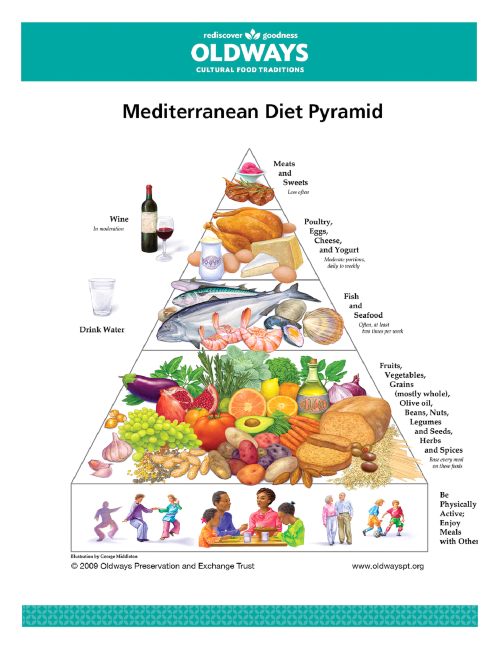
https://oldwayspt.org/traditional-diets/mediterranean-diet
A Sustainable Approach to Metabolic Health
When it comes to insulin resistance and metabolic health, there is no single food, supplement, or eating pattern that works identically for everyone.
Instead, think about building a sustainable foundation of healthy habits:
- Eat a variety of vegetables and fruits
- Choose high-fibre carbohydrate sources more often
- Include protein-rich foods
- Incorporate unsaturated fats
- Limit highly processed foods and sugar-sweetened beverages
- Stay physically active
- Prioritize adequate sleep
- Find practical ways to manage stress
- Build habits that fit your lifestyle
Small changes can add up over time.
You don’t need to follow a perfect diet to support your health. You need an approach that is nutritious, realistic, enjoyable, and sustainable.
The Bottom Line
The Mediterranean-style eating pattern is not a magic solution for insulin resistance—and it doesn’t need to be.
Its strength is that it provides a flexible framework built around a variety of nutrient-rich foods, including vegetables, fruits, whole grains, legumes, nuts, seeds, fish, and unsaturated fats.
Research supports the Mediterranean eating pattern as one approach associated with better cardiometabolic health, while Canadian guidance also highlights Mediterranean-style principles as a healthy eating approach for diabetes prevention.
Rather than searching for “the best diet,” consider asking:
“What healthy eating habits can I realistically maintain for the long term?”
That shift—from a short-term diet to a sustainable way of eating—can be a much more helpful place to start.
A Note About This Article
This article is intended for general health and wellness education and is not intended to diagnose, treat, or prevent any disease or replace individualized medical or nutrition advice.
If you have concerns about insulin resistance, blood glucose, prediabetes, diabetes, or other health conditions, speak with your physician, registered dietitian, or another qualified healthcare professional for personalized guidance.