The Lifestyle Cure provides evidence-informed health and wellness information. We may include links to products we believe may be useful to our readers. TheLifestyleCure.com participates in the Amazon Associates Program and may earn a small commission from qualifying purchases at no additional cost to you.
Fatty liver disease is increasingly common and can affect people of many ages. The good news is that lifestyle habits can play an important role in supporting liver health and metabolic well-being.
If you’ve been told that you have fatty liver disease, you may be wondering: Can lifestyle changes improve fatty liver?
For many people, the answer is yes. Research suggests that improvements in nutrition, physical activity, weight management, sleep, and other lifestyle factors may reduce liver fat and support overall metabolic health. However, the degree of improvement varies from person to person, and lifestyle changes should be considered alongside appropriate medical care.
Before exploring supportive lifestyle strategies, let’s look at what fatty liver disease actually means.
Table of Contents
What Is Fatty Liver Disease?
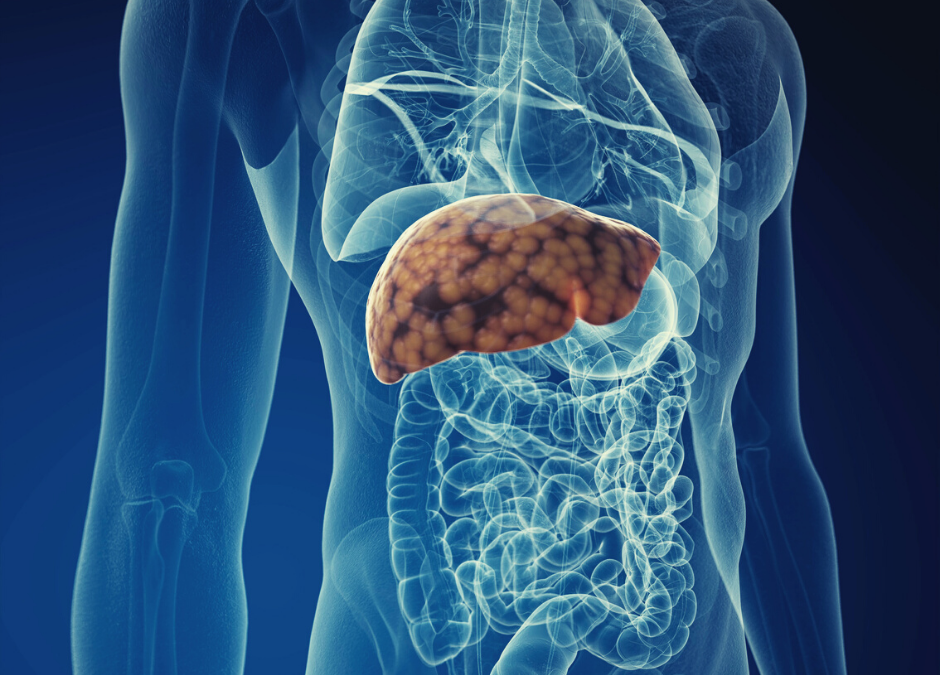
The terminology surrounding fatty liver disease has evolved. Non-alcoholic fatty liver disease (NAFLD) is increasingly referred to as metabolic dysfunction-associated steatotic liver disease (MASLD).
MASLD occurs when excess fat accumulates in the liver in association with metabolic risk factors.
Some people have liver fat without significant inflammation or liver injury. Others develop a more advanced form in which inflammation and liver-cell injury occur. This was historically called non-alcoholic steatohepatitis (NASH) and is now commonly referred to as metabolic dysfunction-associated steatohepatitis (MASH).
Not everyone with fatty liver will develop progressive liver disease, but some people can develop liver scarring, known as fibrosis, and in more advanced cases, cirrhosis.
This is why understanding your individual risk and following up with an appropriate healthcare professional is important.
Why Fatty Liver Can Be Difficult to Detect
One of the challenges with fatty liver disease is that many people have few or no noticeable symptoms, particularly in the earlier stages.
When symptoms do occur, they can be nonspecific and may include fatigue or general discomfort.
More concerning symptoms—such as yellowing of the skin or eyes, significant abdominal swelling, persistent vomiting, unexplained weight loss, or severe itching—can occur with more advanced liver problems and should be evaluated by a healthcare professional.
Because symptoms aren’t always present, fatty liver disease may be discovered during routine bloodwork, imaging, or an assessment of metabolic risk factors.
The Connection Between Metabolic Health and Fatty Liver
Fatty liver is closely associated with several metabolic health factors, including:
- Insulin resistance
- Prediabetes or type 2 diabetes
- Higher triglyceride levels
- High blood pressure
- Excess body weight
- Increased abdominal fat
However, fatty liver is not simply a consequence of making “poor lifestyle choices.” Genetics, medications, underlying health conditions, nutrition, physical activity, and other factors can all contribute.
Excess visceral fat—the fat stored around internal organs—can also influence metabolic health and insulin sensitivity.
For individuals who have excess weight, gradual and sustainable weight loss may help reduce liver fat and improve metabolic health. Importantly, the goal should be sustainable health improvement rather than rapid weight loss.
Can Fatty Liver Improve Naturally?
Lifestyle changes can make a meaningful difference for many people with fatty liver disease.
Research has found that weight loss can reduce liver fat, and greater sustained weight loss may provide additional benefits for some individuals. However, there is no guaranteed amount of weight loss that will “reverse” fatty liver for everyone.
The most appropriate approach depends on the individual’s overall health, the severity of liver disease, medications, metabolic risk factors, and other considerations.
Here are five lifestyle strategies that can support liver health.
1. Build a Balanced Eating Pattern
Nutrition plays an important role in metabolic and liver health.
Rather than focusing on a highly restrictive “fatty liver diet,” consider building an overall eating pattern that emphasizes minimally processed, nutrient-dense foods.
A Mediterranean-style eating pattern is one example that has been associated with metabolic and cardiovascular health and may be beneficial for people with fatty liver.
Consider including:
- Vegetables
- Fruits
- Beans and lentils
- Whole grains
- Nuts and seeds
- Fish and other protein-rich foods
- Unsaturated fats such as olive oil
- Adequate fibre
At the same time, consider limiting your intake of foods and beverages that are high in added sugars, particularly sugar-sweetened beverages, as well as highly processed foods.
You do not necessarily need to eliminate entire food groups to support liver health.
What About a Plant-Based Diet?
A predominantly or entirely plant-based eating pattern can be one approach to increasing fibre and nutrient-dense foods.
A whole-food, plant-forward pattern may include:
Fruits: berries, apples, oranges, bananas, and other fruits
Vegetables: leafy greens, cruciferous vegetables, peppers, tomatoes, and others
Whole grains: oats, barley, brown rice, quinoa, and whole-grain products
Legumes: beans, lentils, chickpeas, and peas
Nuts and seeds: walnuts, almonds, chia seeds, flaxseeds, and others
If you choose a fully plant-based diet, it is important to ensure adequate protein and other essential nutrients.
There is no requirement to follow one specific diet to support liver health. The most appropriate eating pattern is one that provides adequate nutrition and is realistic for you to maintain.
2. Increase Physical Activity
Movement is another important component of liver and metabolic health.
You don’t have to begin with intense workouts to make a difference.
Walking, cycling, swimming, dancing, resistance training, gardening, recreational sports, and other activities can all contribute to a more active lifestyle.
A combination of aerobic activity and resistance training can provide complementary benefits.
For example:
Aerobic Activity
Walking, cycling, swimming, dancing, or other activities that increase your heart rate can support cardiovascular fitness and overall metabolic health.
Strength Training
Resistance exercises can help maintain and build muscle strength and support physical function.
Flexibility and Balance
Activities such as yoga, stretching, and balance exercises can support mobility and physical function.
If you’re currently inactive, start with an amount that feels manageable and gradually build from there.
Importantly, physical activity may benefit liver health even when there is little or no change on the scale. Therefore, don’t use body weight alone as the measure of whether your efforts are working.
Before beginning a new exercise program, particularly if you have a medical condition or have been inactive for an extended period, consider discussing an appropriate level of activity with your healthcare professional.
3. Develop Healthy Stress-Management Strategies
Stress is a normal part of life, but ongoing stress can affect sleep, eating behaviours, activity levels, and overall well-being.
Some people respond to stress by eating more highly processed or highly palatable foods. Others may skip meals, become less active, or have difficulty sleeping.
Rather than trying to eliminate stress completely, focus on developing healthier ways to respond to it.
Start by identifying your personal stress triggers.
You might keep a simple journal and record:
- What happened?
- How did you feel?
- How did you respond?
- What helped?
- What could you try differently next time?
You can then experiment with strategies such as:
- Walking
- Deep breathing
- Meditation
- Yoga
- Journaling
- Spending time outdoors
- Listening to music
- Connecting with supportive people
- Engaging in enjoyable hobbies
There is no single stress-management strategy that works for everyone. Choose approaches that are realistic and enjoyable enough to become part of your routine.
4. Be Mindful of Alcohol Consumption
Alcohol and liver health are closely connected.
Although the term “non-alcoholic” was historically used to distinguish NAFLD from alcohol-associated liver disease, alcohol can still be relevant to overall liver health.
If you have fatty liver disease, discuss alcohol consumption with your healthcare professional. Depending on the type and severity of liver disease and your individual circumstances, you may be advised to avoid alcohol altogether.
It is particularly important not to assume that alcohol is harmless simply because your liver condition has been classified as metabolic rather than alcohol-related.
If you are concerned about your liver health, your healthcare professional can help you determine what is appropriate for you.
5. Be Cautious With Supplements
Supplements are often marketed as a quick solution for liver health, but “natural” does not automatically mean safe or effective.
Some supplements may interact with medications or cause liver injury. Others may have insufficient evidence to support their use for fatty liver disease.
Vitamin E, for example, has been studied in certain people with MASH/NASH, but it is not appropriate for everyone, and supplementation should not be started without discussing it with a qualified healthcare professional.
Instead of relying on supplements as the foundation of your approach, prioritize evidence-informed lifestyle habits and appropriate medical follow-up.
If you currently take supplements, tell your healthcare professional about them—particularly if you have been diagnosed with liver disease.
What About Weight Loss?
For people with excess body weight and fatty liver disease, gradual weight loss may be beneficial.
However, it is important to avoid extreme diets or rapid weight-loss strategies.
A sustainable approach may include:
- Eating balanced, nutrient-dense meals
- Increasing physical activity
- Reducing sedentary time
- Improving sleep
- Managing stress
- Building consistent habits
- Working with qualified professionals when additional support is needed
Even when the scale isn’t changing quickly, healthier behaviours can still provide benefits.
Supporting Your Liver Is a Long-Term Process
There is no single food, exercise, supplement, or lifestyle change that guarantees that fatty liver disease will disappear.
Instead, think about the bigger picture.
Five strategies to prioritize are:
- Build a balanced, nutrient-dense eating pattern.
- Increase physical activity and reduce prolonged sedentary time.
- Develop healthy strategies for managing stress.
- Be mindful of alcohol and discuss consumption with your healthcare professional.
- Approach supplements cautiously and seek professional guidance before using them.
If you’ve been diagnosed with fatty liver disease, don’t assume that you need to navigate it alone. Depending on your circumstances, your healthcare team may monitor liver enzymes, metabolic health, imaging results, or other indicators of liver health.
And remember: you don’t have to change everything at once.
Choose one realistic habit, practice it consistently, and build from there.
Your liver health is part of your overall health—and supporting it starts with sustainable habits you can maintain over time. We offer health and weight management coaching to help you make small and steady changes if you are wanting more information please reach out to us at lifestylecurecoach@gmail.com.
Disclaimer: This article is intended for general educational purposes and is not a substitute for individualized medical advice, diagnosis, or treatment. Fatty liver disease has multiple causes and can vary in severity. If you have been diagnosed with fatty liver disease, abnormal liver tests, or another liver condition, consult an appropriately qualified healthcare professional for personalized guidance.