
The Lifestyle Cure provides evidence-informed health and wellness information. We may include links to products we believe may be useful to our readers. TheLifestyleCure.com participates in the Amazon Associates Program and may earn a small commission from qualifying purchases at no additional cost to you.
Have you ever experienced tingling, numbness, burning, or unusual sensations in your hands or feet?
There can be many possible causes for these sensations. For people living with diabetes, one possibility is diabetic neuropathy, a type of nerve damage associated with diabetes.
Receiving information about diabetic neuropathy can feel concerning. You may wonder:
- What causes diabetic neuropathy?
- What are the risk factors?
- Can it be prevented?
- What lifestyle habits can support nerve health?
- What should you do if you notice symptoms?
The good news is that there are lifestyle and healthcare strategies that can help support overall health and may reduce the risk of diabetes-related complications.
However, it is important to avoid promising that diabetic neuropathy can always be reversed. Once nerve damage has occurred, the outcome can vary considerably depending on the type and severity of neuropathy and the individual’s overall health.
If you have diabetes and are experiencing new or worsening symptoms, speak with your healthcare professional for an appropriate assessment.
Table of Contents
What Is Diabetic Neuropathy?
Diabetic neuropathy refers to nerve damage that can occur as a complication of diabetes.
The condition can affect different types of nerves throughout the body. One of the most common forms is diabetic peripheral neuropathy, which often affects the feet and legs and can also affect the hands and arms.
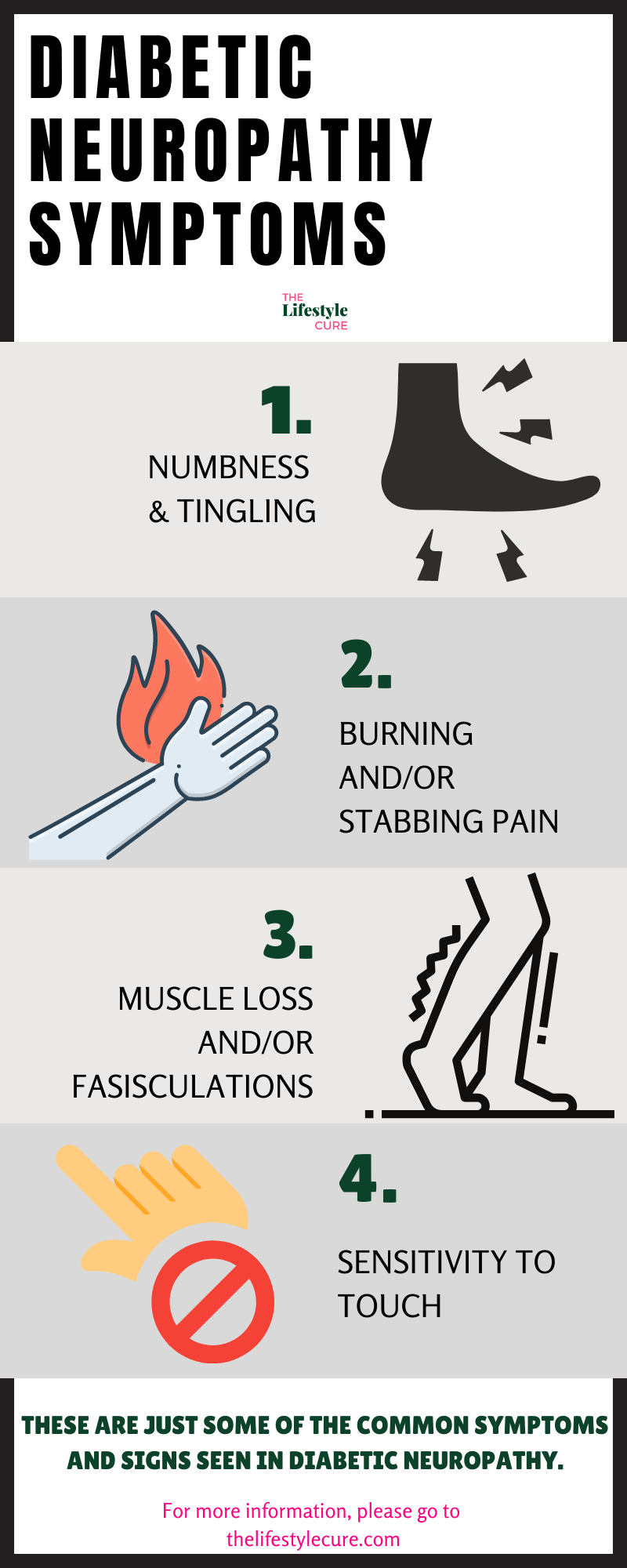
Symptoms can include:
- Tingling
- Numbness
- Burning sensations
- Changes in sensitivity
- Pain
- Muscle weakness
Not everyone with diabetes will experience neuropathy, and symptoms can vary from person to person.
Because other health conditions can cause similar symptoms, it is important not to assume that tingling or numbness automatically means you have diabetic neuropathy.
What Increases the Risk of Diabetic Neuropathy?
The risk of diabetic neuropathy can be influenced by several factors.
These may include:
1. Blood glucose management
Long-term elevated blood glucose levels are associated with an increased risk of diabetes-related nerve damage.
Working with your healthcare team to monitor and manage your diabetes is therefore an important part of reducing your risk of complications.
2. How long you’ve had diabetes
The risk of neuropathy generally increases with the duration of diabetes.
This is one reason why ongoing monitoring and regular healthcare appointments are important.
3. Kidney health
Diabetes can affect kidney health, and kidney disease can be associated with an increased risk of certain complications.
Regular monitoring can help your healthcare team assess your overall health.
4. Cardiovascular risk factors
Factors such as high blood pressure and abnormal blood lipid levels can contribute to overall cardiovascular risk and are important to monitor as part of diabetes care.
5. Smoking
Smoking can negatively affect circulation and overall health and is an important modifiable risk factor to address.
If you smoke, consider speaking with a healthcare professional about evidence-based strategies to help you quit.
What Are the Symptoms of Diabetic Neuropathy?
Symptoms depend on which nerves are affected.
Peripheral Neuropathy
Peripheral neuropathy is one of the most common forms of diabetic neuropathy.
It commonly affects the feet and legs and may later affect the hands and arms.
Possible symptoms include:
- Tingling
- Numbness
- Burning sensations
- Increased sensitivity to touch
- Changes in the ability to sense temperature
- Sharp or aching pain
- Muscle weakness
- Changes in balance
One important concern is that reduced sensation in the feet can make it harder to notice injuries.
A small blister, cut, or irritation may therefore go unnoticed.
This is why foot care is particularly important for people living with diabetes.
Autonomic Neuropathy
Autonomic neuropathy affects nerves involved in controlling certain involuntary functions of the body.
Depending on the nerves involved, symptoms can affect areas such as:
- Digestion
- Bladder function
- Blood pressure regulation
- Heart rate
- Sweating
- Sexual function
For example, some people may experience digestive symptoms or changes in their ability to recognize low blood glucose.
Because these symptoms can have many causes, they should be evaluated by a healthcare professional.
Proximal Neuropathy
Proximal neuropathy is less common and can affect nerves in areas such as the hips, thighs, buttocks, or legs.
Symptoms can include pain and muscle weakness.
If you develop significant or sudden weakness, difficulty walking, or severe unexplained pain, seek medical assessment.
Focal Neuropathy
Focal neuropathy affects a specific nerve or group of nerves.
Symptoms depend on the nerve involved and may include changes in sensation, pain, or weakness in a particular area.
Because many other conditions can produce similar symptoms, proper assessment is important.
How Is Diabetic Neuropathy Diagnosed?
If you have diabetes and develop symptoms such as numbness, tingling, or burning sensations, speak with your healthcare professional.
Assessment may include:
- A discussion of your symptoms and medical history
- A physical examination
- Assessment of sensation
- Examination of the feet
- Assessment of reflexes
- Evaluation of muscle strength
Depending on your symptoms and medical history, your healthcare professional may recommend additional testing.
The important takeaway is:
Don’t try to diagnose neuropathy yourself.
Tingling or numbness can have many different causes, and identifying the underlying cause is an important first step.
Can Diabetic Neuropathy Be Reversed?
This is one of the most common questions people ask.
The answer isn’t simply yes or no.
The course of diabetic neuropathy varies depending on the individual, the type of neuropathy, how advanced it is, and other health factors.
Some symptoms may improve when contributing factors are addressed, while established nerve damage may persist.
Therefore, it isn’t appropriate to promise that diabetic neuropathy can be completely reversed through diet, exercise, supplements, or other natural treatments.
Instead, the focus should be on:
supporting overall health, managing diabetes appropriately, reducing risk factors, protecting the feet, and working with your healthcare team to manage symptoms.
Can Lifestyle Habits Support Nerve Health?
Lifestyle habits are an important part of managing overall health when living with diabetes.
A balanced lifestyle can include:
Nutrition
Focus on a varied eating pattern that includes:
- Vegetables
- Fruits
- Whole grains
- Beans and lentils
- Nuts and seeds
- Fish
- Protein-rich foods
- Unsaturated fats
Rather than searching for a “neuropathy diet,” think about creating an overall eating pattern that supports your nutritional needs and general health.
Physical Activity
Regular physical activity can support cardiovascular fitness, mobility, strength, and overall wellbeing.
Depending on your abilities and healthcare guidance, activities may include:
- Walking
- Swimming
- Cycling
- Resistance training
- Yoga
- Pilates
- Dancing
If you have significant neuropathy, balance problems, foot wounds, or reduced sensation, speak with your healthcare professional before beginning a new exercise program.
Why Foot Care Matters
If you have diabetes—particularly if you have reduced sensation in your feet—regular foot care is important.
Reduced sensation can make it difficult to notice an injury.
A simple daily foot check can help you notice changes early.
Look for:
- Cuts
- Blisters
- Swelling
- Redness
- Bruising
- Skin changes
- Changes around the toenails
- Areas of irritation
If you notice a wound or other concerning change, contact your healthcare professional rather than trying to manage it yourself.
Healthy Foot Habits
1. Check your feet regularly
Make checking your feet part of your daily routine.
If you have difficulty seeing the bottoms of your feet, use a mirror or ask someone you trust to help.
2. Keep your feet clean and dry
Wash your feet regularly and dry them carefully, including between the toes.
3. Choose appropriate footwear
Wear comfortable footwear that fits properly and protects your feet.
Avoid footwear that causes pressure, rubbing, or irritation.
4. Protect your feet from extreme temperatures
Reduced sensation can make it harder to recognize when something is too hot or too cold.
Use caution with heating pads, hot water, and other sources of heat.
5. Take care of your toenails
If you have reduced sensation, circulation problems, or difficulty caring for your feet, ask your healthcare team about appropriate nail and foot care.
6. Have your feet assessed regularly
Your healthcare professional can determine how often you should have your feet examined based on your individual risk.
Sleep and Stress Management
Managing diabetes involves more than nutrition and physical activity.
Sleep and stress are also important components of overall wellbeing.
You might support your sleep by:
- Keeping a consistent sleep schedule
- Creating a relaxing evening routine
- Limiting stimulating activities before bed
- Keeping your bedroom comfortable
- Addressing persistent sleep problems with your healthcare professional
For stress management, consider activities such as:
- Walking
- Deep breathing
- Meditation
- Journaling
- Spending time outdoors
- Connecting with friends and family
- Engaging in hobbies
There is no single “best” strategy.
Choose approaches that feel realistic and sustainable for you.
What About Supplements and Natural Treatments?
You may see products online claiming to “reverse diabetic neuropathy,” “regrow nerves,” or “cure nerve damage naturally.”
Be cautious with these claims.
Although some nutrients and complementary approaches have been studied for neuropathy symptoms, the evidence varies, and a supplement should not be presented as a guaranteed treatment for diabetic nerve damage.
Supplements can also interact with medications or be inappropriate for people with certain health conditions.
If you’re considering a supplement, speak with your physician, pharmacist, registered dietitian, or another qualified healthcare professional.
Natural does not automatically mean safe, effective, or appropriate for everyone.
What About Acupuncture or Other Complementary Approaches?
Some complementary therapies have been studied for symptoms such as neuropathic pain.
However, research findings can vary, and complementary therapies should not replace appropriate medical assessment or treatment.
If you’re interested in acupuncture or another complementary approach, discuss it with your healthcare team and choose a properly qualified practitioner.
What About Medication?
If diabetic neuropathy is causing pain or other symptoms, your healthcare professional may discuss treatment options with you.
Depending on the type and severity of symptoms, management may include medication, physical therapy, foot care, or other interventions.
Do not start, stop, or change medication based on information from an online article.
Your treatment plan should be individualized based on your symptoms, medical history, and overall health.
Can Exercise Help?
Regular physical activity can be an important component of overall diabetes management.
You don’t need to begin with an intense workout program.
Start with activities appropriate for your current fitness and health status.
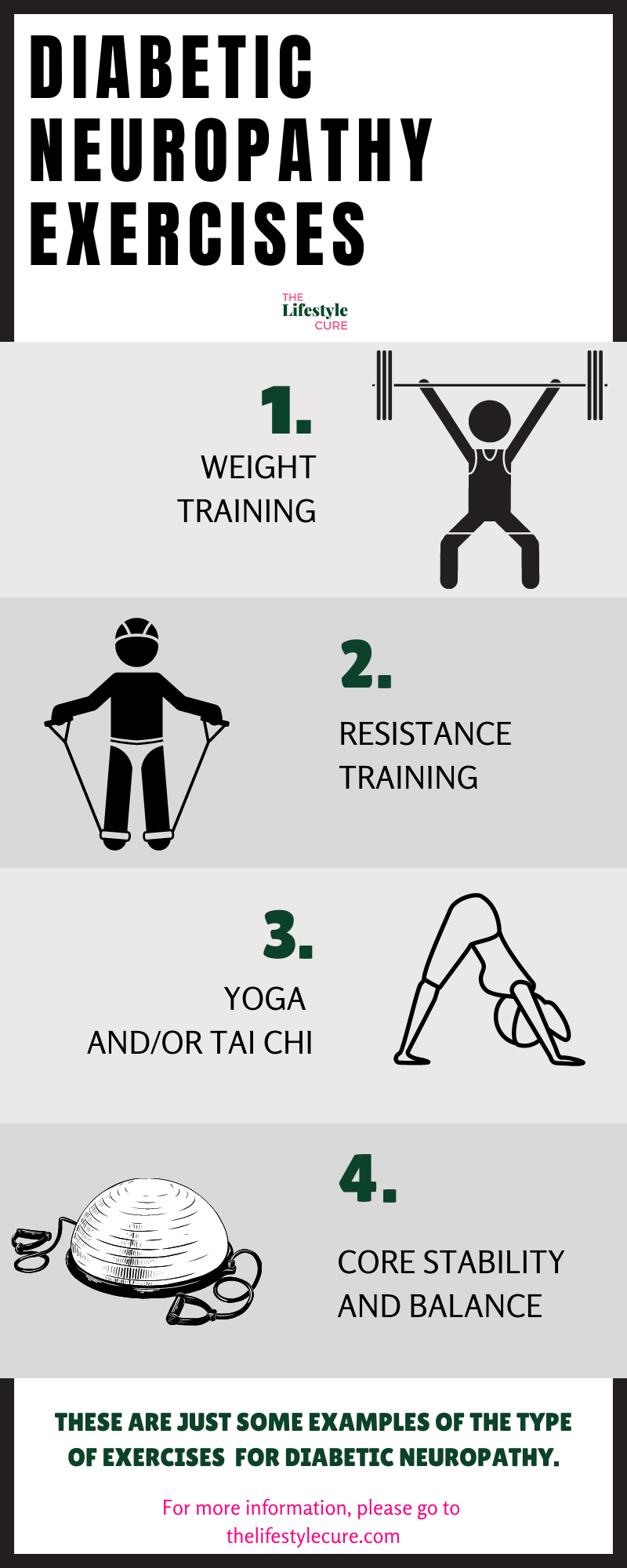
For example:
- Walking
- Swimming
- Stationary cycling
- Gentle strength training
- Balance exercises
- Yoga
If neuropathy has affected your sensation or balance, your healthcare professional or physical therapist can help you determine which activities are appropriate.
The goal is not to “exercise away” nerve damage.
Instead, think of movement as one part of a broader strategy for supporting mobility, strength, cardiovascular health, and overall wellbeing.
How Can You Reduce Your Risk?
If you have diabetes, there are several areas you can focus on with the support of your healthcare team.
1. Attend your regular healthcare appointments
Regular monitoring can help your healthcare team identify changes early.
2. Follow your diabetes management plan
Work with your healthcare professional to monitor and manage your blood glucose.
3. Stay physically active
Find forms of movement that you enjoy and can safely perform consistently.
4. Eat a balanced diet
Focus on variety, fibre-rich foods, vegetables, protein, and minimally processed foods.
5. Don’t smoke
If you smoke, seek support from a healthcare professional when you’re ready to quit.
6. Prioritize foot care
Check your feet regularly and report concerning changes promptly.
7. Look after your overall health
Sleep, stress management, cardiovascular health, and other lifestyle factors all contribute to your overall wellbeing.
When Should You Speak With Your Healthcare Professional?
If you have diabetes and develop:
- New numbness or tingling
- Burning sensations
- Persistent pain
- Loss of sensation
- Balance problems
- Muscle weakness
- Changes in your feet
- A cut or wound that isn’t healing
contact your healthcare professional.
Don’t wait for symptoms to become severe before seeking assessment.
Early evaluation can help determine what is causing the symptoms and what type of support may be appropriate.
The Bottom Line
Diabetic neuropathy is a condition that deserves attention, but there is no guaranteed natural treatment or quick fix.
Rather than focusing on whether you can “reverse” neuropathy, focus on what you can do to support your health and reduce your risk of complications.
That includes:
- Following your diabetes management plan
- Eating a balanced, nutrient-rich diet
- Staying physically active
- Maintaining regular healthcare appointments
- Protecting your feet
- Avoiding tobacco
- Prioritizing sleep
- Managing stress
- Seeking medical assessment when symptoms appear
Your health doesn’t have to change overnight.
Small, consistent habits can become an important part of a long-term approach to living well with diabetes.
Important Disclaimer
This article is intended for general health and wellness education. It is not intended to diagnose, treat, cure, or prevent diabetic neuropathy, diabetes, or any other medical condition, and it should not replace individualized medical advice.
If you have diabetes, symptoms of neuropathy, foot concerns, or questions about your treatment, speak with your physician or another qualified healthcare professional.