
The Lifestyle Cure provides evidence-informed health and wellness information. We may include links to products we believe may be useful to our readers. TheLifestyleCure.com participates in the Amazon Associates Program and may earn a small commission from qualifying purchases at no additional cost to you.
When conversations about weight come up, they often focus on losing weight. However, some people may have a goal of gaining weight, increasing muscle mass, or simply improving their overall nutrition.
The reasons someone may want to gain weight are different for everyone. Some people naturally have a smaller body size, while others may experience changes in appetite, activity levels, digestive health, stress, or other factors that affect their weight.
If you are experiencing unintentional weight loss, a significant change in appetite, or difficulty gaining weight despite eating regularly, it is important to speak with a qualified healthcare professional. Changes in weight can sometimes be associated with underlying health conditions, medications, or other factors that should be assessed appropriately.
For those who are looking to support healthy weight gain, the focus should be on nutrient-dense foods, adequate nourishment, enjoyable meals, and sustainable habits rather than simply eating as much as possible.
Table of Contents
What Does Healthy Weight Gain Look Like?
Healthy weight gain does not mean relying on highly processed foods, sugary beverages, or deep-fried foods simply because they contain more calories.
Instead, consider increasing the nutritional value and energy content of meals by incorporating foods such as:
- Nuts and nut butters
- Avocado
- Olive oil
- Whole grains
- Beans and lentils
- Eggs
- Fish and seafood
- Poultry and other protein-rich foods
- Dairy or fortified alternatives
- Fruits and dried fruits
- Vegetables
- Seeds
The goal is to provide the body with a variety of nutrients while supporting adequate energy intake.
1. Start by Paying Attention to Your Eating Habits
Before making major changes, consider becoming more aware of your current eating pattern.
You might notice:
- How frequently you eat
- Whether you regularly skip meals
- Which foods you enjoy
- Whether you tend to feel full quickly
- Whether your appetite changes throughout the day
- Which meals are easiest for you to prepare and eat
A simple food and meal journal can help you identify patterns without requiring you to count calories.
The purpose is awareness—not perfection.
2. Eat Regularly
If large meals feel overwhelming, eating smaller meals or snacks more frequently throughout the day may be easier.
For example, you might structure your day around three meals with one or two snacks between meals.
Choose a schedule that fits your appetite, lifestyle, and daily routine.
There is no universal number of meals that everyone needs to eat.
3. Choose Nutrient-Dense Foods
When trying to increase food intake, choose foods that provide both energy and nutrients.
For example, you could add:
Healthy fats
- Avocado
- Olive oil
- Nuts
- Nut butter
- Seeds
Protein-rich foods
- Eggs
- Greek yogurt
- Cottage cheese
- Fish
- Poultry
- Beans
- Lentils
- Tofu or other plant-based proteins
Fibre-rich carbohydrates
- Oats
- Brown rice
- Quinoa
- Barley
- Whole-grain bread
- Whole-grain pasta
- Potatoes and sweet potatoes
Fruits and vegetables
- Fresh or frozen fruit
- Dried fruit
- Leafy greens
- Root vegetables
- Other colourful vegetables
Combining several food groups in a meal can make it easier to increase both the nutritional value and overall energy content of your meals.
4. Add Healthy Extras to Your Meals
Small additions can increase the nutritional value of a meal without requiring a much larger portion.
For example:
- Add olive oil to vegetables or grains.
- Add avocado to toast or sandwiches.
- Add nuts or seeds to oatmeal or yogurt.
- Add nut butter to toast or smoothies.
- Add grated cheese to soups, eggs, or vegetables if dairy is part of your diet.
- Add dried fruit to oatmeal or trail mix.
These simple changes can make meals more satisfying and nutrient-dense.
5. Consider Smoothies and Other Nourishing Drinks
For people who find large meals difficult to eat, smoothies can be a convenient way to combine several nutritious foods.
A smoothie might include:
- Milk or a fortified plant-based beverage
- Yogurt
- Fruit
- Nut butter
- Oats
- Seeds
Smoothies can be particularly useful as a snack or alongside a meal.
However, beverages do not need to replace regular meals unless recommended by an appropriate healthcare professional.
6. Include Adequate Protein
Protein plays an important role in maintaining and building muscle.
Include a variety of protein sources throughout the day, such as:
- Eggs
- Fish
- Poultry
- Yogurt
- Milk
- Cottage cheese
- Beans
- Lentils
- Tofu
- Tempeh
- Nuts and seeds
The amount of protein someone needs depends on factors such as age, activity level, body size, health status, and individual goals.
More protein is not automatically better, and there is no need to follow an extremely high-protein diet to support healthy weight gain.
7. Include Strength-Based Movement
If your goal includes building muscle, nutrition is only one part of the process.
Resistance-based activities can support muscle strength and function.
Depending on your experience and physical abilities, this might include:
- Bodyweight exercises
- Resistance bands
- Free weights
- Weight machines
- Functional strength exercises
If you are new to resistance training or have an underlying health condition, consider working with an appropriately qualified professional to develop an exercise routine that is suitable for you.
8. Prioritize Sleep and Recovery
Nutrition and exercise are not the only factors that influence overall wellbeing.
Adequate sleep and recovery can support energy, mood, physical performance, and healthy routines.
Aim to establish consistent sleep and wake times and create a bedtime routine that helps you wind down.
9. Pay Attention to Appetite and Digestion
If you consistently have little appetite, become full very quickly, experience ongoing digestive symptoms, or find it difficult to eat enough food, don’t simply assume that you need to “try harder” to eat more.
Persistent appetite or digestive changes can have many possible causes and may warrant discussion with a healthcare professional.
When Should You Speak With a Healthcare Professional?
Healthy weight gain is not appropriate to approach as a one-size-fits-all goal.
Speak with a physician or other qualified healthcare professional if you:
- Have experienced unexplained or unintentional weight loss
- Are consistently struggling to gain weight
- Have a significant change in appetite
- Experience persistent digestive symptoms
- Feel unusually tired or unwell
- Have concerns about your relationship with food
- Have a history of disordered eating
- Are taking medications that may affect appetite or weight
- Have another health condition that could affect nutrition
A registered dietitian can also provide individualized nutrition guidance when appropriate.
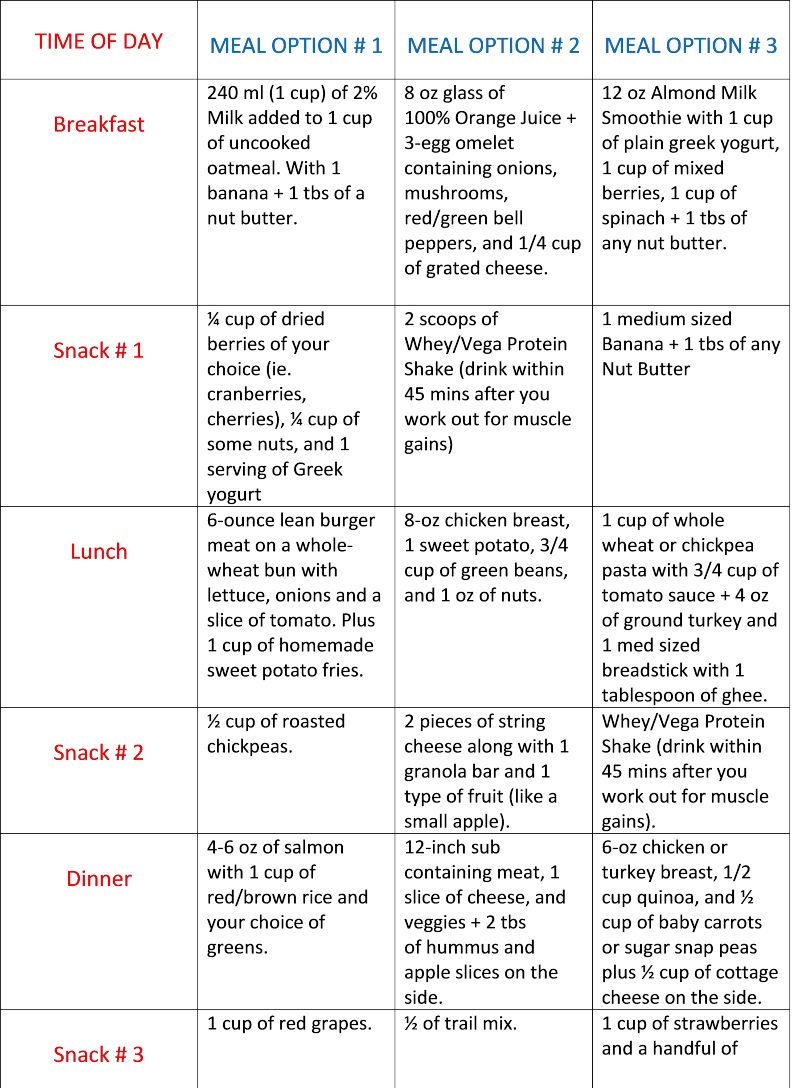
How To Gain Weight The Healthy Way Meal Options
Healthy Weight Gain Is About More Than the Number on the Scale
If your goal is to gain weight, try not to focus exclusively on the number on the scale.
Consider the bigger picture:
- Are you nourishing your body consistently?
- Are you eating a variety of nutrient-dense foods?
- Are you getting adequate protein and fibre?
- Are you supporting your muscle strength?
- Are you sleeping well?
- Are you enjoying your meals?
- Are you developing sustainable habits?
A healthy approach should support your overall wellbeing rather than simply trying to change your body size as quickly as possible.
The Bottom Line
For people who want or need to gain weight, the goal should not simply be to eat more calories or consume highly processed foods.
Instead, focus on consistent nourishment and nutrient-dense foods, including healthy fats, protein-rich foods, whole grains, fruits, vegetables, nuts, seeds, and other foods that you enjoy.
Regular meals, nourishing snacks, strength-based activity, adequate sleep, and attention to appetite and digestion can all be part of a healthy lifestyle.
Most importantly, unexplained weight loss or persistent difficulty gaining weight deserves appropriate professional assessment.
Disclaimer: This article is intended for general educational purposes only. It does not diagnose, treat, or prevent any medical condition and does not provide individualized nutrition or medical advice. If you have concerns about your weight, appetite, nutrition, or health, speak with an appropriate healthcare professional or registered dietitian.