

The Lifestyle Cure provides evidence-informed health and wellness information. We may include links to products we believe may be useful to our readers. TheLifestyleCure.com participates in the Amazon Associates Program and may earn a small commission from qualifying purchases at no additional cost to you.
The foods we eat, our physical activity, sleep, stress levels, and other lifestyle factors can all influence metabolic health.
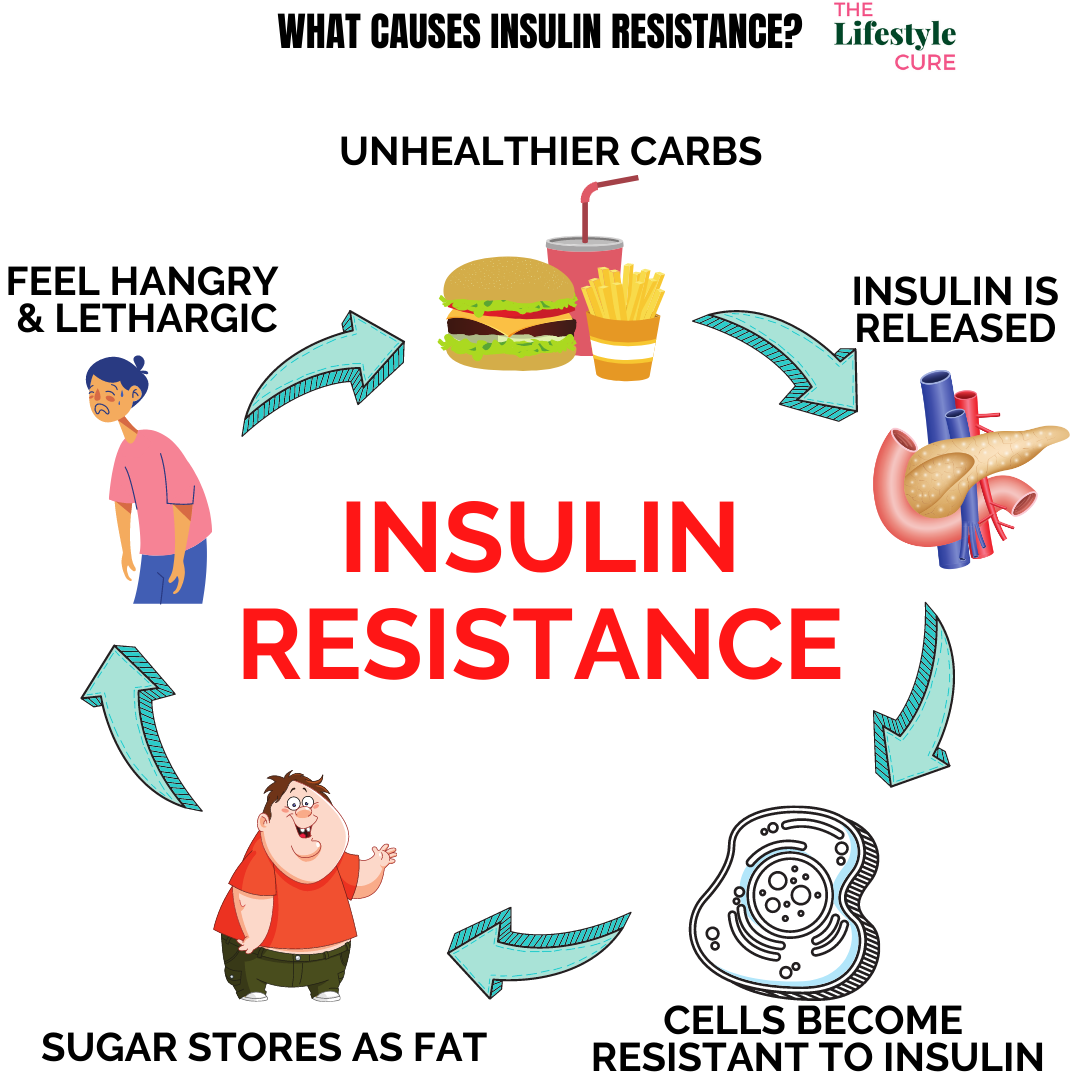
One important aspect of metabolic health is the way the body responds to insulin. Insulin is a hormone produced by the pancreas that helps glucose move from the bloodstream into cells, where it can be used for energy.
When the body’s cells become less responsive to insulin, the body may need to produce more insulin to help maintain healthy blood glucose levels. This is commonly referred to as insulin resistance.
While insulin resistance can be associated with an increased risk of prediabetes and type 2 diabetes, it is important to remember that metabolic health is influenced by many factors, including genetics, environment, lifestyle, medications, and other health conditions.
This article provides general education about nutrition and lifestyle habits that can support metabolic health. It is not intended to diagnose, treat, or cure insulin resistance, prediabetes, diabetes, or any other medical condition.
Table of Contents
What Is Insulin Resistance?
Insulin helps regulate blood glucose by helping glucose move from the bloodstream into cells.
When the body’s tissues become less responsive to insulin, the pancreas may produce additional insulin to help maintain blood glucose levels. Over time, changes in insulin sensitivity can be associated with changes in blood glucose regulation.
Insulin resistance may occur without obvious symptoms, which means someone may not know that changes in insulin sensitivity are occurring.
For this reason, conversations about metabolic health should include appropriate medical care and routine health assessments when indicated.
What Can Influence Insulin Sensitivity?
There is no single cause of insulin resistance.
A combination of genetic, environmental, metabolic, and lifestyle factors may influence insulin sensitivity.
Factors associated with metabolic health include:
- Family history and genetics
- Age
- Physical activity levels
- Dietary patterns
- Sleep quality and duration
- Chronic stress
- Body composition
- Certain medications
- Hormonal conditions
- Pregnancy
- Other health conditions
Some changes in insulin sensitivity are also a normal part of certain physiological states. For example, insulin sensitivity naturally changes during pregnancy.
Because the underlying factors can differ from person to person, there is no single nutrition strategy that is appropriate for everyone.
Are There Symptoms of Insulin Resistance?
Insulin resistance itself may not cause noticeable symptoms.
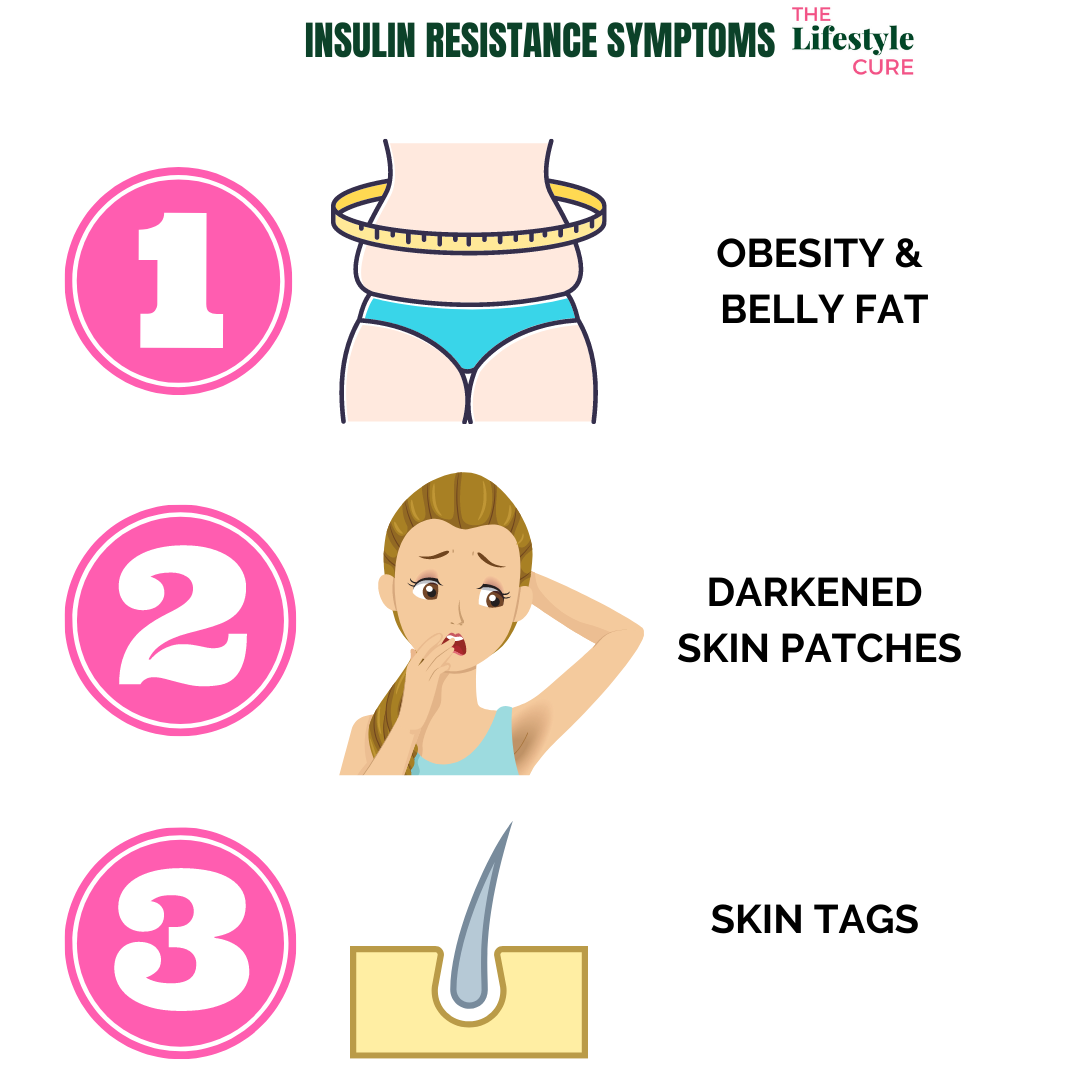
Some physical findings, such as increased abdominal fat or certain changes in skin pigmentation, can be associated with metabolic conditions, but they are not enough to determine whether someone has insulin resistance.
Symptoms such as increased thirst, frequent urination, persistent fatigue, or unexplained changes in health can occur with elevated blood glucose and other conditions.
If you are experiencing concerning symptoms, speak with a qualified healthcare professional rather than attempting to determine the cause yourself.
How Is Metabolic Health Assessed?
There is no single measurement that provides a complete picture of metabolic health.
Healthcare professionals may consider a person’s medical history, family history, physical findings, and appropriate laboratory measurements when evaluating blood glucose and cardiometabolic health.
Common blood glucose assessments may include:
Fasting Blood Glucose
A fasting blood glucose test measures the amount of glucose in the blood after a period without eating.
Hemoglobin A1C
A hemoglobin A1C test provides an estimate of average blood glucose levels over approximately the previous two to three months.
Lipid Profile
A lipid profile can provide information about blood lipids such as cholesterol and triglycerides and may be considered as part of an overall assessment of cardiometabolic health.
The interpretation of these tests should be done by an appropriate healthcare professional.
Nutrition and Metabolic Health
Rather than focusing on a strict “insulin resistance diet,” it can be more helpful to focus on sustainable eating habits that support overall metabolic health.
Research supports several healthy dietary patterns, including Mediterranean-style eating patterns, for diabetes prevention and metabolic health.
A balanced approach can include:
- Vegetables and fruits
- Beans, lentils, and other legumes
- Whole grains
- Nuts and seeds
- Fish and other protein-rich foods
- Eggs and poultry, according to individual preferences
- Unsaturated fats such as olive oil
- Minimally processed foods
- Water as the primary beverage
The goal is not to eliminate carbohydrates. Instead, consider the quality, portion, and overall combination of foods in a meal.
Pairing carbohydrate-containing foods with sources of protein, fibre, and healthy fats can contribute to a more balanced meal and may help support fullness and steady energy.
Foods to Eat More Often
Instead of creating a long list of foods that are “good” or “bad,” consider building meals around nutrient-dense foods.
Vegetables
Vegetables provide fibre, vitamins, minerals, and other beneficial plant compounds. Including a variety of colourful vegetables can help increase overall dietary quality.
Fruits
Fruit contains naturally occurring carbohydrates along with fibre, vitamins, minerals, and other nutrients.
Whole and minimally processed fruits can be part of a balanced eating pattern.
Beans and Lentils
Legumes provide a combination of fibre and plant-based protein and can be incorporated into meals such as soups, salads, stews, and grain bowls.
Whole Grains
Foods such as oats, barley, quinoa, brown rice, and whole-grain breads can provide fibre and nutrients.
Nuts and Seeds
Nuts and seeds provide unsaturated fats, protein, fibre, vitamins, and minerals.
Fish and Seafood
Fish can provide protein and, depending on the type, omega-3 fatty acids.
Healthy Fats
Foods such as olive oil, avocado, nuts, and seeds can provide predominantly unsaturated fats.
Foods to Enjoy Less Often
Rather than thinking in terms of strict food rules, consider limiting foods that are highly processed or provide large amounts of added sugar, sodium, or saturated fat with relatively few nutrients.
Examples may include:
- Sugar-sweetened beverages
- Highly refined snack foods
- Frequent fast-food meals
- Processed meats
- Foods high in added sugars
- Highly processed desserts
- Foods high in saturated fat when consumed frequently
This does not mean these foods can never be enjoyed. An overall dietary pattern matters more than perfection.
A Simple Way to Build a Balanced Meal
One practical approach is to create meals that contain several different food groups.
For example:
½ plate: vegetables and/or fruit
¼ plate: a protein source
¼ plate: a fibre-rich carbohydrate such as whole grains or legumes
Plus: a source of unsaturated fat when appropriate
This framework can be adapted to different cuisines, preferences, budgets, and cultural eating patterns.
What About Carbohydrates?
Carbohydrates are an important source of energy and do not automatically need to be eliminated to support metabolic health.
Instead of focusing exclusively on the amount of carbohydrate consumed, consider the type and overall nutritional quality.
Higher-fibre carbohydrate sources such as vegetables, fruits, legumes, and whole grains can be incorporated into a balanced eating pattern.
Foods containing refined carbohydrates and added sugars can still fit into an overall healthy diet, but they may be best enjoyed less frequently and in appropriate portions.
What About the Glycemic Index?
The glycemic index (GI) ranks carbohydrate-containing foods according to how quickly they tend to raise blood glucose under standardized testing conditions.
While the GI can provide useful information, it should not be used as the sole measure of whether a food is “healthy.”
The amount of carbohydrate consumed, preparation method, fibre content, protein, fat, and the combination of foods in a meal can all influence the body’s response.
A balanced eating pattern is therefore more useful than simply avoiding every food with a higher GI.
Physical Activity and Metabolic Health
Nutrition is only one part of metabolic health.
Regular physical activity can support cardiovascular fitness, muscle health, energy, and insulin sensitivity.
A combination of activities can be particularly useful, including:
- Walking
- Cycling
- Swimming
- Dancing
- Recreational sports
- Resistance or strength-based activities
- Activities that improve flexibility and balance
The best activity is often one that you enjoy and can perform consistently.
You do not need to start with an intense exercise program. Increasing everyday movement and gradually building activity can be a practical starting point.
Sleep and Stress Matter Too
Metabolic health is influenced by more than food and exercise.
Poor sleep and ongoing stress can affect appetite, energy, eating behaviours, and other aspects of health.
Consider developing consistent routines around:
- Regular sleep and wake times
- Adequate sleep
- Daily movement
- Relaxation
- Time outdoors
- Social connection
- Enjoyable activities
- Healthy coping strategies
These habits do not need to be perfect to be beneficial.
What About Intermittent Fasting?
Intermittent fasting is an eating pattern that alternates periods of eating with periods of fasting.
Some people choose time-restricted eating because it fits their schedule or helps them establish a more structured eating routine. However, it is not necessary for everyone, and it is not the only approach to supporting metabolic health.
There is no need to adopt a prolonged fasting schedule simply because you are concerned about insulin resistance.
If you are considering fasting, particularly if you have diabetes, take medications that affect blood glucose, are pregnant or breastfeeding, or have a history of disordered eating, discuss it with an appropriate healthcare professional first.
What About Keto?
A ketogenic diet is a very-low-carbohydrate eating pattern that substantially restricts carbohydrate intake.
Although some people may experience changes in body weight or blood glucose while following a low-carbohydrate approach, this does not mean keto is the best or only approach for metabolic health.
Dietary patterns should be individualized based on preferences, nutritional needs, lifestyle, and medical considerations.
A sustainable eating pattern that someone can maintain over time is generally more practical than following a highly restrictive diet temporarily.
Can Insulin Resistance Be Improved?
Insulin sensitivity can change over time, and lifestyle factors can play an important role in metabolic health.
However, it is more appropriate to focus on supporting healthy metabolic function than promising that a particular diet or lifestyle program will “cure” or “reverse” insulin resistance.
Helpful habits may include:
- Eating a varied, minimally processed diet.
- Including vegetables, fibre-rich foods, and adequate protein.
- Choosing unsaturated fats more often.
- Limiting sugar-sweetened beverages and highly processed foods.
- Moving regularly throughout the day.
- Including muscle-strengthening activity when appropriate.
- Prioritizing adequate sleep.
- Developing healthy strategies for managing stress.
- Avoiding smoking.
- Working with qualified healthcare professionals when medical assessment is needed.
Small, sustainable changes can add up over time.
The Bottom Line
Insulin resistance is a complex aspect of metabolic health influenced by many different factors.
There is no single “insulin resistance diet” that is appropriate for everyone. Instead, a sustainable eating pattern centred on vegetables, fruits, legumes, whole grains, protein-rich foods, nuts, seeds, and predominantly unsaturated fats can provide a strong foundation for healthy eating.
Nutrition is only one piece of the picture. Regular movement, adequate sleep, stress management, and other lifestyle habits also contribute to overall metabolic health.
Most importantly, insulin resistance, prediabetes, and diabetes are medical conditions that require appropriate medical assessment. A naturopathic or lifestyle-focused approach should complement—not replace—care from a qualified healthcare professional.
If you have concerns about your blood glucose, insulin sensitivity, symptoms, medications, or risk of diabetes, speak with your physician or another qualified healthcare professional for individualized assessment and guidance.
Disclaimer: This article is intended for general educational purposes only. It does not provide a diagnosis, medical treatment, or individualized medical advice and should not replace care from a qualified healthcare professional.