

The Lifestyle Cure provides evidence-informed health and wellness information. We may include links to products we believe may be useful to our readers. TheLifestyleCure.com participates in the Amazon Associates Program and may earn a small commission from qualifying purchases at no additional cost to you.
If you’ve ever walked into a health-food store or searched online for probiotics, you’ve probably noticed that there are countless options available.
Different products contain different microorganisms, strains, combinations, and amounts. So how do you know which probiotic is right for you?
The answer isn’t as simple as choosing the product with the highest number of bacteria or the largest number of strains.
Probiotics are not one-size-fits-all. Their potential effects can depend on the specific strain, the amount provided, the product formulation, the reason someone is considering using one, and individual factors.
This is why it can be helpful to understand the basics of probiotics before deciding whether a probiotic supplement belongs in your routine.
Table of Contents
What Are Probiotics?
Probiotics are live microorganisms that, when consumed in adequate amounts, may provide a health benefit.
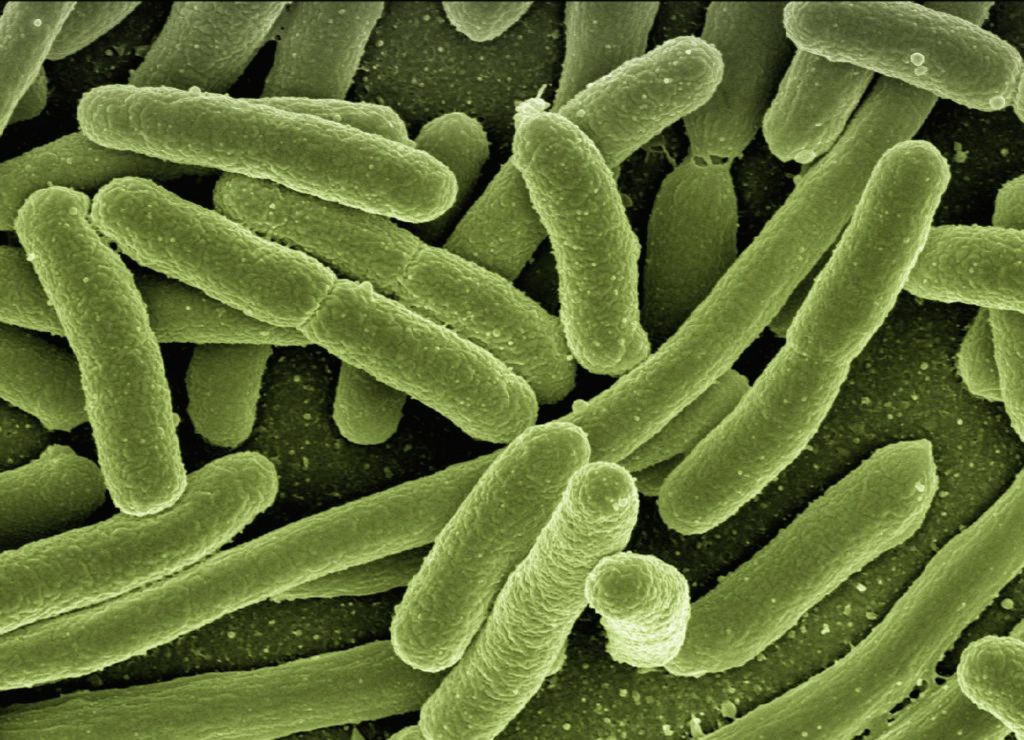
The human digestive tract naturally contains trillions of microorganisms, including bacteria and other microorganisms. Together, these microorganisms are commonly referred to as the gut microbiome.
The gut microbiome is a complex ecosystem that interacts with digestion, immune function, metabolism, and many other aspects of human health.
It is important to remember that bacteria are not automatically “good” or “bad.” The microbiome contains a diverse community of microorganisms, and maintaining a healthy and diverse environment is more complicated than simply trying to increase the amount of one particular type of bacteria.
What Is the Difference Between a Probiotic and the Gut Microbiome?
The terms “probiotic” and “gut microbiome” are sometimes used interchangeably, but they are not the same thing.
Your gut microbiome refers to the community of microorganisms that naturally live in your digestive tract.
A probiotic is a specific live microorganism that has been studied for a particular health benefit when consumed in an appropriate amount.
This distinction is important because not every microorganism found in the gut is a probiotic, and taking a probiotic supplement does not necessarily mean that the organisms will permanently establish themselves in your digestive tract.
What Types of Microorganisms Are Found in Probiotics?
Probiotic products can contain different genera, species, and strains.
Some commonly studied groups include:
- Lactobacillus
- Bifidobacterium
- Saccharomyces, a type of beneficial yeast
- Certain other microorganisms that have been studied for specific applications
Within each group are individual species and strains.
For example, products may contain different strains of Lactobacillus or Bifidobacterium. Two products that contain the same general bacterial group may therefore have very different properties.
This is one reason the phrase “the best probiotic” can be misleading.
The evidence for one specific strain or combination cannot automatically be applied to every probiotic product.
Why Do Probiotic Strains Matter?
One of the most important things to understand about probiotics is that different strains can have different effects.
Research involving one specific strain does not necessarily mean that another strain from the same species will have the same effect.
For this reason, when evaluating a probiotic, it is useful to look beyond the number of bacteria listed on the front of the package.
Consider:
- The specific microorganism and strain
- The amount provided
- The intended use
- The evidence supporting that particular product or strain
- Storage requirements
- Expiration or best-before information
- Quality and manufacturing standards
What Are the Potential Benefits of Probiotics?
Research into probiotics is ongoing, and evidence varies considerably depending on the specific strain and health outcome being studied.
Some probiotic preparations have been investigated in areas such as:
- Digestive health
- Antibiotic-associated diarrhea
- Certain types of diarrhea
- Some symptoms associated with irritable bowel syndrome
- Certain gastrointestinal conditions
However, probiotics should not be viewed as a universal solution for digestive or other health concerns.
A result observed with one probiotic strain cannot automatically be assumed to occur with another product.
This is why it is important to evaluate probiotic research based on the specific strain and health outcome, rather than assuming that all probiotics have the same benefits.
Can Probiotics Improve Gut Health?
A healthy gut involves much more than taking a probiotic supplement.
The gut microbiome is influenced by many factors, including:
- Dietary patterns
- Fibre intake
- Variety of plant foods
- Physical activity
- Sleep
- Stress
- Medications
- Age
- Environment
- Individual biology
Rather than focusing exclusively on adding probiotics, consider creating an overall lifestyle that supports a diverse and nourishing dietary pattern.
Food Sources of Probiotics
Some fermented foods may contain live microorganisms.
Examples include:
- Yogurt with live cultures
- Kefir
- Kimchi
- Sauerkraut
- Miso
- Tempeh
- Certain fermented vegetables
- Some cheeses
However, not every fermented food contains live microorganisms at the time it is consumed.
For example, some foods may undergo fermentation but subsequently be heated or processed in a way that reduces or eliminates live microorganisms.
Check the product label when you are specifically looking for foods containing live cultures.
What About Yogurt?
Not all yogurt products contain live cultures.
If you are interested in choosing yogurt as a source of live microorganisms, look for labeling indicating that it contains live and active cultures.
It is also worth checking the nutrition label for added sugars and choosing a product that fits your overall dietary preferences and needs.

What About Prebiotics?
Probiotics are not the only consideration when discussing the gut microbiome.
Prebiotics are substances, often types of dietary fibre, that can be utilized by microorganisms in the gut.
Many fibre-rich foods can contribute to a diet that supports the gut microbiome.
Examples include:
- Onions
- Garlic
- Leeks
- Asparagus
- Oats
- Barley
- Beans
- Lentils
- Chickpeas
- Fruits
- Vegetables
- Nuts and seeds
Increasing the variety of plant foods in your diet can be a practical way to increase your intake of different types of dietary fibre.
Do You Need a Probiotic Supplement?
Not necessarily.
Some people choose probiotic supplements for specific reasons, while others prefer to focus primarily on food and lifestyle.
There is no universal recommendation that everyone should take a probiotic supplement.
If you are considering one, it is useful to ask:
Why am I taking this?
Understanding the goal can help determine whether a probiotic is appropriate and what evidence should be considered.
For someone experiencing persistent digestive symptoms, taking a probiotic without understanding the underlying issue may delay appropriate assessment.
How Do You Choose a Probiotic?
If you decide to explore probiotic supplementation, avoid assuming that the product with the highest CFU number is automatically the best choice.
1. Identify Your Goal
Consider why you are interested in probiotics.
Are you simply interested in supporting your overall diet? Are you considering one because of a specific digestive concern? Are you taking antibiotics?
The reason matters because the evidence for probiotics is generally strain- and situation-specific.
2. Look at the Strain Information
A quality probiotic label should provide information about the microorganisms included in the product.
When possible, look for the specific strain rather than simply a broad label such as “proprietary probiotic blend.”
3. Consider the CFU Count
CFU stands for colony-forming units and is used to describe the number of viable microorganisms in a probiotic product.
More is not necessarily better.
There is no universal CFU number that every person should look for. The appropriate amount depends on the specific product and the evidence supporting its intended use.
4. Check Storage Requirements
Some probiotic products require refrigeration, while others are designed to remain stable at room temperature.
Follow the manufacturer’s storage instructions to help maintain product quality.
5. Check the Expiration or Best-Before Date
Because probiotics contain live microorganisms, viability can change over time.
Check the product’s expiration or best-before information and follow the storage instructions provided by the manufacturer.
6. Consider Product Quality
Look for products from reputable manufacturers that provide clear labeling and follow appropriate manufacturing and quality-control practices.
Remember that supplements are not interchangeable with medications, and product quality can vary.
Are There Side Effects From Probiotics?
Probiotics are generally well tolerated by many healthy people, but side effects can occur.
Some people may experience temporary digestive symptoms such as:
- Gas
- Bloating
- Changes in bowel movements
- Abdominal discomfort
More serious complications are uncommon but can occur in certain higher-risk individuals.
People who are severely ill, significantly immunocompromised, or otherwise medically vulnerable should speak with their healthcare professional before taking probiotic supplements.
Probiotics should not automatically be assumed to be risk-free simply because they are marketed as “natural.”
Probiotics and Medications
If you take prescription medications, over-the-counter medications, or other supplements, consider speaking with your pharmacist or healthcare professional before adding a probiotic.
This is particularly important if you have an underlying health condition or are taking medications that affect your immune system.
A healthcare professional can help determine whether a particular product is appropriate for your circumstances.
Supporting Your Gut Microbiome Through Lifestyle
You don’t need to rely on supplements to support a healthy gut environment.
A varied, nutrient-dense eating pattern can provide many of the nutrients and types of fibre that support overall digestive health.
Consider incorporating:
- A variety of vegetables
- Fruits
- Beans and lentils
- Whole grains
- Nuts and seeds
- Fermented foods containing live cultures
- Adequate protein
- Healthy sources of unsaturated fat
- Adequate fluids
You can also support overall health by prioritizing regular movement, adequate sleep, stress management, and other sustainable lifestyle habits.
A Simple Approach to Eating for Gut Health
Rather than focusing on a single “superfood” or supplement, try increasing the variety of foods you eat.
For example, you could gradually introduce different:
- Fruits
- Vegetables
- Whole grains
- Beans
- Lentils
- Nuts
- Seeds
- Fermented foods
This approach can make your diet more diverse while providing different types of fibre and nutrients.
Small, sustainable changes are often easier to maintain than trying to completely overhaul your diet overnight.
When Should You Seek Professional Guidance?
Persistent digestive symptoms should not automatically be attributed to an unhealthy gut microbiome.
Speak with an appropriate healthcare professional if you experience ongoing or concerning symptoms such as:
- Persistent abdominal pain
- Blood in the stool
- Significant or unexplained weight changes
- Persistent diarrhea or constipation
- Recurrent vomiting
- Difficulty swallowing
- Significant changes in appetite
- Symptoms that interfere with daily life
These symptoms can have many possible causes and may require appropriate assessment.
The Bottom Line
There is no single “best probiotic” for everyone.
Different probiotic microorganisms and strains have been studied for different purposes, and the evidence does not support treating all probiotic products as interchangeable.
For many people, supporting gut health starts with the fundamentals: eating a varied, fibre-rich diet, incorporating a range of plant foods, choosing nutritious foods that you enjoy, staying physically active, getting adequate sleep, and managing stress.
Probiotic-containing foods may be incorporated into a balanced eating pattern, while probiotic supplements may be appropriate in certain circumstances.
If you are considering a probiotic because of persistent symptoms or a specific health concern, speak with an appropriate healthcare professional before using it as a substitute for assessment or treatment.
Disclaimer: This article is intended for general educational purposes only. It does not diagnose, treat, or prevent any medical condition and does not provide individualized medical or supplement advice. If you have persistent digestive symptoms or concerns about your health, consult an appropriate healthcare professional.