

The Lifestyle Cure provides evidence-informed health and wellness information. We may include links to products we believe may be useful to our readers. TheLifestyleCure.com participates in the Amazon Associates Program and may earn a small commission from qualifying purchases at no additional cost to you.
Can the same lifestyle habits that support a healthy immune system also support healthy weight management?
In many cases, yes.
Nutrition, physical activity, sleep, stress management, and other everyday habits can influence both immune function and metabolic health. However, it’s important to avoid thinking of the immune system as something that can simply be “boosted” with one food, supplement, or lifestyle change.
The immune system is a complex network that works continuously to protect the body and maintain balance. Rather than trying to make your immune system “stronger,” a more appropriate goal is to support healthy immune function through sustainable lifestyle habits.
These same habits can also contribute to healthy weight management.
Let’s explore six areas that can support both.
Table of Contents
Understanding the Immune System
The immune system is the body’s complex defense network. It includes cells, tissues, organs, and biological processes that work together to recognize and respond to potential threats while maintaining balance within the body.
Immune health is influenced by many factors, including:
- Nutrition
- Sleep
- Physical activity
- Stress
- Age
- Genetics
- Existing health conditions
- Medications
- Environmental exposures
There is no single strategy that guarantees protection from illness. However, healthy lifestyle behaviours can provide important support for overall health and normal immune function.



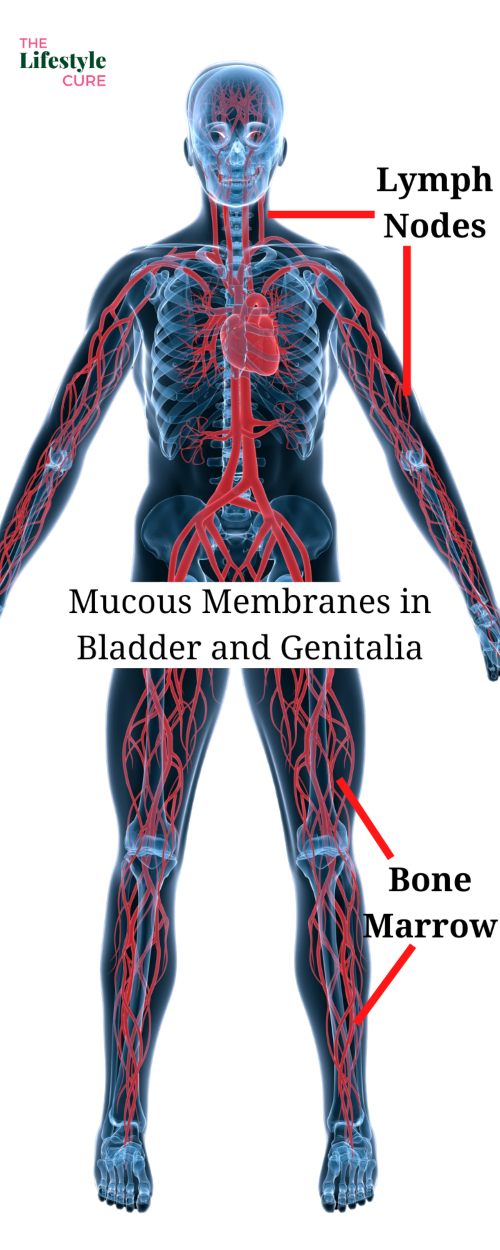
The Connection Between Immune Health and Weight
Immune function and metabolic health are interconnected, but the relationship is more complex than simply saying that excess weight “weakens” immunity.
Adipose tissue is biologically active and can influence inflammatory pathways. In particular, having excess visceral fat is associated with chronic low-grade inflammation and metabolic dysfunction.
At the same time, nutrition, physical activity, sleep, and stress can influence both metabolic and immune processes.
This means that improving your overall lifestyle can potentially support several aspects of health at the same time.
The goal isn’t to chase a perfect immune system or a particular number on the scale.
Instead, focus on building habits that support your health as a whole.
1. Build a Nutrient-Dense Eating Pattern
What you eat provides your body with the nutrients it needs to support normal immune function.
A diet rich in vegetables, fruits, whole grains, legumes, nuts, seeds, and other minimally processed foods can provide fibre, vitamins, minerals, and other beneficial compounds.
A Mediterranean-style eating pattern is one example of a balanced approach that emphasizes many of these foods.
Consider including:
- A variety of colourful vegetables
- Fruits and berries
- Beans, lentils, and other legumes
- Whole grains
- Nuts and seeds
- Fish and other protein-rich foods
- Unsaturated fats such as olive oil
- Herbs and spices
You don’t necessarily need to follow a completely plant-based diet to support immune or metabolic health.
The bigger picture matters: aim for variety, adequate nutrition, and an eating pattern that you can maintain.
What About an Anti-Inflammatory Diet?
There is no universally defined “anti-inflammatory diet,” but eating patterns that emphasize minimally processed foods and are rich in plants, fibre, and unsaturated fats may support overall health.
Rather than focusing on individual “anti-inflammatory” foods, consider the overall pattern of your diet.
For example, regularly including vegetables, berries, legumes, whole grains, nuts, seeds, fish, and olive oil can help create a nutrient-dense eating pattern.
At the same time, consider limiting frequent consumption of highly processed foods and foods high in added sugars.
Nutrition and Healthy Weight Management
Healthy eating can also support weight management.
Rather than eliminating carbohydrates, fats, or other entire food groups, focus on balanced meals that provide adequate protein, fibre, and nutrient-dense foods.
Your individual nutritional needs will depend on your health, preferences, culture, activity level, and goals.
2. Make Movement Part of Your Routine
Regular physical activity is another important component of overall health.
Moderate physical activity can support cardiovascular health, metabolic health, mood, sleep, and normal immune function.
You don’t need to perform intense workouts to benefit from movement.
Examples include:
- Brisk walking
- Swimming
- Cycling
- Dancing
- Gardening
- Recreational sports
- Strength training
- Yoga
If you currently have a sedentary lifestyle, begin with manageable amounts and gradually increase your activity.
For some people, a short daily walk may be a more sustainable starting point than an intense workout program.
Exercise and Weight Management
Physical activity can support healthy weight management, but its benefits extend well beyond calorie expenditure.
Regular movement can help maintain muscle, improve fitness, support metabolic health, and make everyday activities easier.
The most effective activity is often the activity you enjoy enough to do consistently.
You don’t have to choose between “cardio” and “strength training.” A combination of aerobic activity, resistance training, and movement throughout the day can provide complementary benefits.
3. Develop Healthy Stress-Management Strategies
Stress is part of being human.
Short-term stress can be a normal response to challenging situations. However, ongoing stress can affect sleep, eating behaviours, physical activity, mood, and overall well-being.
Some people respond to stress by eating more highly palatable foods, while others may skip meals, withdraw from activities, or have difficulty maintaining healthy routines.
Rather than trying to eliminate stress completely, learn to recognize your triggers and develop healthier ways to respond.
Consider:
- Deep breathing
- Walking
- Meditation
- Yoga
- Journaling
- Spending time outdoors
- Listening to music
- Connecting with supportive people
- Engaging in hobbies
- Speaking with a qualified professional when appropriate
The goal isn’t to create a completely stress-free life.
It’s to develop strategies that help you navigate stressful situations more effectively.
Stress and Weight Management
Stress can indirectly affect weight through changes in appetite, food choices, sleep, and activity.
Rather than assuming that stress automatically causes weight gain, look at how stress affects your behaviours.
For example:
Stress → poor sleep → increased fatigue → less movement → changes in eating patterns
Identifying your personal pattern can help you determine where a small intervention may make the greatest difference.
4. Prioritize Quality Sleep
Sleep is an important part of immune and metabolic health.
During sleep, the body carries out numerous processes that support physical and mental well-being, including processes involved in immune function.
Insufficient or poor-quality sleep has been associated with changes in immune function and may also affect appetite, food choices, energy levels, and metabolic health.
Most adults should aim for approximately 7–9 hours of sleep per night, although individual needs vary.
Instead of focusing only on the number of hours, consider your overall sleep quality.
Ask yourself:
- Do I have a consistent sleep schedule?
- Do I wake frequently during the night?
- Do I feel rested in the morning?
- Do I have difficulty falling asleep?
- What tends to interfere with my sleep?
Helpful habits may include:
- Keeping a consistent bedtime and wake time
- Creating a relaxing evening routine
- Limiting stimulating activities before bed
- Keeping your bedroom comfortable and dark
- Getting regular daytime movement
- Addressing persistent sleep problems with a healthcare professional
Sleep and Weight Management
Poor sleep can influence hunger, appetite, food choices, energy, and motivation to be physically active.
This is one reason why sleep should not be overlooked when working toward healthy weight-management goals.
Sometimes improving sleep is a more useful first step than simply trying to eat less.
5. Be Mindful of Alcohol
Alcohol can affect multiple aspects of health, including sleep, liver health, cardiovascular health, and immune function.
Higher levels of alcohol consumption are associated with adverse health effects, and excessive alcohol intake can interfere with normal immune responses.
Alcohol can also contribute additional calories to the diet and may influence food choices or eating behaviours.
If you drink alcohol, consider discussing your individual risk with a healthcare professional. For some people, particularly those with certain medical conditions or medications, avoiding alcohol may be the safest choice.
The important point is that alcohol should not be viewed as necessary for health.
6. Develop a Supportive Mindset
Your thoughts and beliefs can influence how you approach healthy behaviours, but it’s important not to oversimplify this relationship.
A “positive mindset” does not guarantee weight loss or prevent illness.
You also don’t need to force yourself to feel positive all the time.
Instead, focus on developing a flexible and compassionate mindset.
Try replacing:
“I failed because I missed my workout.”
with:
“Today didn’t go as planned. What can I do tomorrow?”
Instead of:
“I have to completely change my diet.”
try:
“What’s one nutritious change I can make this week?”
Helpful strategies include:
- Practicing self-compassion
- Setting realistic goals
- Focusing on progress rather than perfection
- Learning from setbacks
- Recognizing small wins
- Practicing gratitude when it feels helpful
- Focusing on behaviours you can control
A sustainable approach to health leaves room for imperfect days.
Immune Health Is About More Than One Habit
It’s tempting to look for a food, supplement, or “immune-boosting” strategy that will provide a quick solution.
In reality, immune health is influenced by many interacting factors.
There is no need to pursue extreme diets, excessive exercise, restrictive eating, or large numbers of supplements in an attempt to improve immune function.
Instead, focus on the fundamentals:
- Eat a varied, nutrient-dense diet.
- Move your body regularly.
- Find healthy ways to manage stress.
- Prioritize quality sleep.
- Be mindful of alcohol consumption.
- Develop a flexible and compassionate mindset.
These habits can support overall health while also creating a strong foundation for sustainable weight management.
What About Supplements?
It’s worth mentioning that supplements are not a substitute for a nutritious diet or healthy lifestyle.
Although certain vitamins and minerals are essential for normal immune function, taking more than you need does not necessarily make your immune system work better.
Some supplements can also interact with medications or cause unwanted effects.
If you’re considering supplements for immune health or weight management, discuss them with an appropriately qualified healthcare professional, particularly if you take medications or have an existing health condition.
The Bottom Line
Supporting your immune system and working toward a healthy weight don’t have to be separate goals.
Many of the same foundational habits can support both:
Nourish your body.
Move regularly.
Manage stress.
Prioritize sleep.
Be mindful of alcohol.
Practice self-compassion.
You don’t need to overhaul your entire lifestyle overnight.
Choose one habit that feels realistic, build consistency, and then gradually add another.
Healthy living isn’t about achieving perfection. It’s about creating sustainable habits that support your health for the long term. We offer health and weight management coaching that can help with this, if you want more information reach out to us at lifestylecurecoach@gmail.com.
Disclaimer: This article is intended for general educational purposes and is not a substitute for individualized medical advice, diagnosis, or treatment. No lifestyle strategy can guarantee prevention of infection, illness, or weight gain. If you have a medical condition, take medication, or have concerns about your immune function or weight, consult an appropriately qualified healthcare professional for personalized guidance.