
The Lifestyle Cure provides evidence-informed health and wellness information. We may include links to products we believe may be useful to our readers. TheLifestyleCure.com participates in the Amazon Associates Program and may earn a small commission from qualifying purchases at no additional cost to you.
Have you heard the term anti-inflammatory diet and wondered what it actually means?
An anti-inflammatory eating pattern isn’t a strict diet or a list of foods that you have to completely eliminate. Instead, it emphasizes a variety of minimally processed, nutrient-dense foods such as vegetables, fruits, whole grains, legumes, nuts, seeds, fish, and healthy fats.
This approach is often associated with the Mediterranean-style pattern of eating and can be part of an overall lifestyle that supports healthy weight management and general well-being.
Table of Contents
What Is Inflammation?
Inflammation is part of the body’s natural response to injury, infection, or other challenges.
Acute inflammation
Acute inflammation is a short-term response that can occur when the body is responding to an injury or infection. It is an important part of the body’s normal healing and defense processes.
For example, inflammation can occur after a minor injury or during an infection.
Chronic inflammation
Chronic inflammation is different. It refers to a longer-lasting inflammatory response and can be associated with a number of health conditions and lifestyle factors.
Importantly, inflammation is complex. It isn’t caused by one particular food, and eating one food cannot eliminate inflammation from the body.
Research continues to examine the relationship between dietary patterns, inflammation, metabolism, and long-term health.
What Does Diet Have to Do With Inflammation?
Your overall eating pattern may influence several processes involved in health, including metabolic health and inflammatory pathways.
Rather than focusing on one “anti-inflammatory” food, it can be more useful to look at the overall quality of your diet.
An eating pattern that regularly includes vegetables, fruits, whole grains, legumes, nuts, seeds, fish, and unsaturated fats provides a wide range of nutrients and plant compounds.
At the same time, reducing your intake of highly processed foods and foods that are high in added sugars, sodium, and saturated fats may help support a balanced eating pattern.
Foods to Include More Often
There is no single food that needs to be labeled a “superfood.” Instead, think about building meals around a variety of nutritious foods.
1. Colorful vegetables
Vegetables such as:
- Spinach
- Kale
- Broccoli
- Cauliflower
- Bell peppers
- Carrots
- Brussels sprouts
- Tomatoes
provide fiber, vitamins, minerals, and a variety of plant compounds.
Try including vegetables at lunch and dinner, and add them to breakfasts or snacks when practical.
2. Berries and other fruits
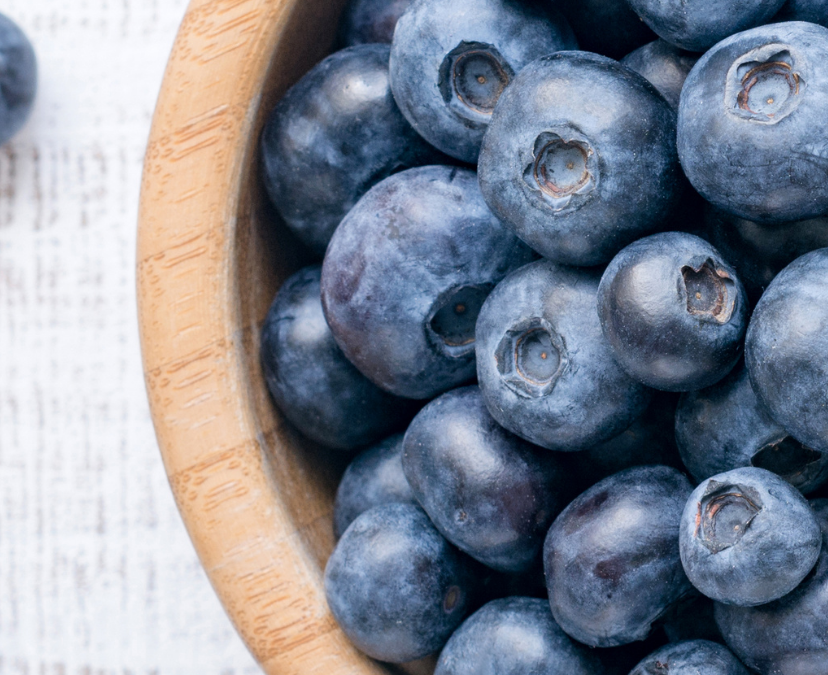
Blueberries, strawberries, raspberries, blackberries, apples, oranges, and other fruits provide fiber and a variety of vitamins and plant compounds.
Fruit does not need to be avoided because it contains naturally occurring sugar.
Choosing whole fruit more often than fruit-based desserts or sugar-sweetened foods can be one simple way to improve the overall quality of your diet.
3. Beans and lentils
Beans, chickpeas, peas, and lentils provide fiber, plant-based protein, vitamins, and minerals.
They can be added to:
- Soups
- Salads
- Grain bowls
- Stews
- Wraps
- Pasta dishes
4. Whole grains
Whole grains such as oats, brown rice, quinoa, barley, and whole-grain bread can provide fiber and other nutrients.
You don’t necessarily have to eliminate carbohydrates to follow an anti-inflammatory eating pattern.
Instead, consider the type and quality of the carbohydrate and how it fits into your overall meal.
5. Nuts and seeds
Almonds, walnuts, pistachios, chia seeds, flaxseeds, and pumpkin seeds provide healthy fats, fiber, protein, and other nutrients.
Because nuts and seeds are energy-dense, paying attention to portions can be helpful when healthy weight management is one of your goals.
6. Fatty fish
Fish such as salmon, sardines, trout, herring, and mackerel provide protein and omega-3 fatty acids.
Including fish as part of a balanced eating pattern can be a nutritious alternative to some highly processed or higher-saturated-fat protein choices.
7. Extra-virgin olive oil
Extra-virgin olive oil is a source of monounsaturated fat and is commonly used in Mediterranean-style eating patterns.
Try using it in salad dressings, marinades, or cooking when appropriate.
8. Herbs and spices
Herbs and spices can add flavor without relying heavily on added sugar or excess salt.
Try experimenting with:
- Turmeric
- Ginger
- Garlic
- Cinnamon
- Rosemary
- Basil
- Oregano
- Black pepper
They can make nutritious meals more enjoyable and varied.
9. Green tea
Unsweetened green tea contains plant compounds called polyphenols, including catechins.
It can be a flavorful alternative to sugar-sweetened beverages.
10. Dark chocolate
Dark chocolate with a higher cocoa content contains flavanols and other plant compounds.
However, chocolate can still contain added sugar and is relatively calorie-dense, so it is best viewed as an occasional food rather than something you need to consume specifically for its potential health effects.
Foods to Have Less Often
Instead of thinking about foods as completely “good” or “bad,” consider how frequently they appear in your overall eating pattern.
You may want to reduce your intake of foods and beverages such as:
- Sugar-sweetened beverages
- Candy and other sweets
- Highly refined snack foods
- Deep-fried foods
- Processed meats
- Highly processed baked goods
- Foods high in added sugar
- Foods high in saturated fat when consumed frequently
This doesn’t mean you can never enjoy these foods.
A sustainable approach allows for flexibility while making nutritious choices the foundation of your eating pattern.
Five Simple Principles of an Anti-Inflammatory Eating Pattern
1. Fill your plate with plants
Aim to include a variety of vegetables and fruits throughout the day.
Different colors provide different nutrients and plant compounds, so variety is beneficial.
2. Choose quality protein sources
Include protein from foods such as:
- Fish
- Eggs
- Poultry
- Beans
- Lentils
- Tofu
- Tempeh
- Yogurt
- Other minimally processed protein sources
Your individual protein needs can vary depending on factors such as age, activity level, and overall health.
3. Choose unsaturated fats more often
Examples include:
- Extra-virgin olive oil
- Avocado
- Nuts
- Seeds
- Fatty fish
These foods can contribute healthy fats to your diet.
4. Choose whole or minimally processed carbohydrates more often
Consider foods such as:
- Oats
- Brown rice
- Quinoa
- Barley
- Whole-grain bread
- Beans
- Lentils
- Fruit
You don’t need to completely eliminate carbohydrates to support healthy eating or weight management.
5. Make water your primary beverage
Water is an important part of a healthy eating pattern.
Replacing some sugar-sweetened beverages with water or unsweetened beverages can be a simple way to reduce added sugar intake.
What About Weight Management?
An anti-inflammatory eating pattern is not a guaranteed weight-loss diet.
However, emphasizing vegetables, fruit, whole grains, legumes, lean or plant-based proteins, and healthy fats can help create meals that are nutritious and satisfying.
For healthy weight management, the overall pattern matters.
Other lifestyle factors—including physical activity, sleep, stress management, eating behaviors, and your individual circumstances—can also play important roles.
Rather than searching for one food or diet that will produce a specific result, focus on building habits you can maintain over time.
The Mediterranean Diet as an Example
The Mediterranean-style eating pattern is one example of an eating approach that incorporates many of these principles.
It emphasizes foods such as:
- Vegetables and fruits
- Whole grains
- Beans and lentils
- Nuts and seeds
- Fish
- Olive oil
- Herbs and spices
It generally includes fewer highly processed foods and less processed meat.
You don’t have to follow the Mediterranean diet perfectly to benefit from some of its practical principles.
How to Get Started
You don’t need to completely change your diet overnight.
Try starting with one or two small changes:
This week, you could:
- Add a vegetable to one additional meal each day.
- Replace one sugary drink with water.
- Add berries or another fruit to breakfast.
- Include beans or lentils in one meal.
- Choose whole grains more often.
- Add fish to your menu when you enjoy it.
- Use herbs and spices to add flavor.
- Cook more meals at home when practical.
Small, consistent changes can be easier to maintain than an overly restrictive diet.
The Bottom Line
An anti-inflammatory eating pattern is less about finding a handful of “magic” foods and more about the overall pattern of your diet.
Build meals around vegetables, fruits, whole grains, legumes, fish, nuts, seeds, and healthy fats, while reducing your reliance on highly processed foods and foods high in added sugar.
You don’t have to eat perfectly.
Instead, aim to create a balanced approach to food that supports your nutritional needs, your lifestyle, and your long-term healthy weight-management goals.
Ready to Build Healthier Eating Habits?
If you want support creating a balanced approach to nutrition and healthy weight management, we’re here to help.
Reach out to us at lifestylecurecoach@gmail.com to learn more about our coaching options.
Disclaimer: This article is intended for general educational purposes and is not intended to diagnose, treat, or prevent any medical condition. If you have a medical condition or specific nutritional needs, speak with a qualified healthcare professional for individualized guidance.